
Laundry Soap Bars: What They Are and How to Use
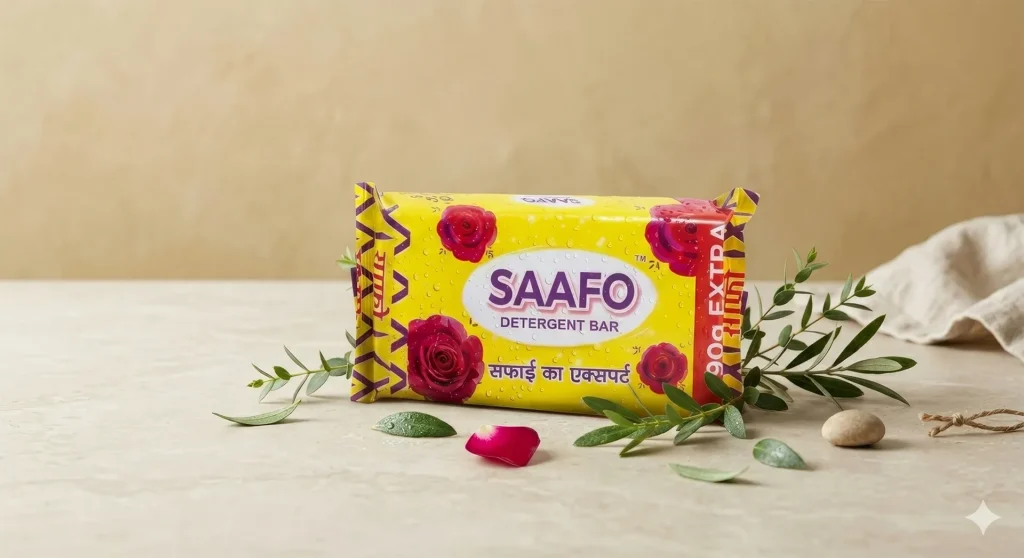
We use detergents every day when doing laundry, washing dishes, or cleaning our homes. But have you ever paused to think about what’s inside these cleaning products? The truth is, some detergent ingredients can irritate your skin, harm the environment, or even affect your long-term health. Understanding what’s harmful and what’s safe can help you make smarter choices for your family and home. How Detergents Work Detergents are designed to remove dirt, grease, and stains. At their core, they contain surfactants, molecules that attract both water and oils. This unique property helps lift grime off surfaces or clothes. There are different types of detergents depending on their use: Laundry detergents – designed for fabrics and stains. Dishwashing detergents – designed to cut through grease on dishes. Hand soaps and body washes – mild detergents for the skin. Even though all detergents share the same basic purpose, the ingredients they contain can make a big difference in safety and environmental impact. Common Ingredients in Detergents Detergents are made up of several types of ingredients, each serving a specific purpose: Surfactants – The cleaning agents. They come in different forms: anionic, cationic, and nonionic. Most are safe in small amounts, but some can irritate sensitive skin. Builders – Chemicals like phosphates, citrates, or zeolites that help remove stains and soften water. Phosphates, in particular, are harmful to aquatic life. Enzymes – Proteins that break down stains like grass, blood, or grease. Generally safe but can sometimes trigger allergies in sensitive individuals. Fragrances and dyes – Added for scent and color. While they make detergents pleasant to use, they are often linked to skin irritation and allergic reactions. Preservatives and stabilizers – Keep the detergent fresh and prevent bacterial growth. Some may cause irritation or other health concerns. Harmful Ingredients to Watch Out For Not all detergent ingredients are harmless. Here are some to be cautious about: Phosphates – Common in older detergents, they can pollute rivers and lakes, causing excessive algae growth that harms fish. Optical brighteners and bleach – Make clothes look whiter but can irritate skin and damage fabrics over time. Synthetic fragrances – Often made from petrochemicals, these can trigger allergies or act as endocrine disruptors. Nonylphenol ethoxylates (NPEs) – Found in some industrial detergents, they are toxic to aquatic life and can persist in the environment. Parabens and certain preservatives – May interfere with hormones if used frequently over long periods. Being aware of these ingredients can help you choose safer alternatives and reduce your household’s chemical load. Safe and Eco-Friendly Alternatives Luckily, safer options exist. If you’re looking for a gentle yet effective detergent, consider: Plant-based surfactants – Derived from coconut or corn, they clean well and are biodegradable. Natural enzymes and oxygen-based bleaches – Tough on stains but gentle on skin and fabrics. Fragrance-free or essential-oil-based detergents – Reduce risk of allergies and irritation. Tips for Minimizing Exposure Even with safe detergents, small habits can make a big difference: Wear gloves when handling detergents, especially concentrated liquids. Ensure good ventilation when doing laundry or washing dishes. Store detergents out of reach of children and pets. Follow the recommended dosage; using more detergent doesn’t mean cleaner clothes. Conclusion Detergents are essential for a clean home, but not all ingredients are created equal. By knowing which ingredients are harmful and which are safe, you can make choices that protect your health, your family, and the environment. Next time you reach for your laundry detergent or dish soap, take a moment to read the label. Switching to an eco-friendly detergent is a simple step toward protecting your family’s health while reducing environmental impact. Choosing safer, eco-friendly products is a small step that can have a big impact. A clean home, a safe family, and a healthier planet that’s the ultimate goal. FAQ 1. Are all laundry detergents safe for sensitive skin? Not all laundry detergents are safe for sensitive skin. Fragrances, dyes, and certain surfactants may cause irritation. Fragrance-free, plant-based, or hypoallergenic detergents are safer alternatives. 2. What ingredients in detergents are harmful to health? Harmful detergent ingredients include phosphates, synthetic fragrances, optical brighteners, nonylphenol ethoxylates, and parabens, which can irritate skin, trigger allergies, or affect hormones with prolonged exposure. 3. How can I identify safe detergent ingredients? Look for short, simple ingredient lists, plant-based surfactants, oxygen-based bleaches, and eco-certifications like EPA Safer Choice or EcoLabel. Avoid harsh chemicals, synthetic fragrances, and phosphates. 4. Are fragrance-free detergents safer? Fragrance-free detergents are safer for sensitive skin and allergy-prone individuals. They reduce exposure to synthetic scents, which can trigger irritation, headaches, or respiratory reactions. 5. What are eco-friendly detergent alternatives? Eco-friendly detergents use plant-based surfactants, natural enzymes, essential oils, or oxygen-based bleaches. They are biodegradable, reduce chemical pollution, and are generally safer for people, pets, and the environment.
Laundry Soap Bars: What They Are and How to Use Them Effectively

We use detergents every day when doing laundry, washing dishes, or cleaning our homes. But have you ever paused to think about what’s inside these cleaning products? The truth is, some detergent ingredients can irritate your skin, harm the environment, or even affect your long-term health. Understanding what’s harmful and what’s safe can help you make smarter choices for your family and home. How Detergents Work Detergents are designed to remove dirt, grease, and stains. At their core, they contain surfactants, molecules that attract both water and oils. This unique property helps lift grime off surfaces or clothes. There are different types of detergents depending on their use: Laundry detergents – designed for fabrics and stains. Dishwashing detergents – designed to cut through grease on dishes. Hand soaps and body washes – mild detergents for the skin. Even though all detergents share the same basic purpose, the ingredients they contain can make a big difference in safety and environmental impact. Common Ingredients in Detergents Detergents are made up of several types of ingredients, each serving a specific purpose: Surfactants – The cleaning agents. They come in different forms: anionic, cationic, and nonionic. Most are safe in small amounts, but some can irritate sensitive skin. Builders – Chemicals like phosphates, citrates, or zeolites that help remove stains and soften water. Phosphates, in particular, are harmful to aquatic life. Enzymes – Proteins that break down stains like grass, blood, or grease. Generally safe but can sometimes trigger allergies in sensitive individuals. Fragrances and dyes – Added for scent and color. While they make detergents pleasant to use, they are often linked to skin irritation and allergic reactions. Preservatives and stabilizers – Keep the detergent fresh and prevent bacterial growth. Some may cause irritation or other health concerns. Harmful Ingredients to Watch Out For Not all detergent ingredients are harmless. Here are some to be cautious about: Phosphates – Common in older detergents, they can pollute rivers and lakes, causing excessive algae growth that harms fish. Optical brighteners and bleach – Make clothes look whiter but can irritate skin and damage fabrics over time. Synthetic fragrances – Often made from petrochemicals, these can trigger allergies or act as endocrine disruptors. Nonylphenol ethoxylates (NPEs) – Found in some industrial detergents, they are toxic to aquatic life and can persist in the environment. Parabens and certain preservatives – May interfere with hormones if used frequently over long periods. Being aware of these ingredients can help you choose safer alternatives and reduce your household’s chemical load. Safe and Eco-Friendly Alternatives Luckily, safer options exist. If you’re looking for a gentle yet effective detergent, consider: Plant-based surfactants – Derived from coconut or corn, they clean well and are biodegradable. Natural enzymes and oxygen-based bleaches – Tough on stains but gentle on skin and fabrics. Fragrance-free or essential-oil-based detergents – Reduce risk of allergies and irritation. Tips for Minimizing Exposure Even with safe detergents, small habits can make a big difference: Wear gloves when handling detergents, especially concentrated liquids. Ensure good ventilation when doing laundry or washing dishes. Store detergents out of reach of children and pets. Follow the recommended dosage; using more detergent doesn’t mean cleaner clothes. Conclusion Detergents are essential for a clean home, but not all ingredients are created equal. By knowing which ingredients are harmful and which are safe, you can make choices that protect your health, your family, and the environment. Next time you reach for your laundry detergent or dish soap, take a moment to read the label. Switching to an eco-friendly detergent is a simple step toward protecting your family’s health while reducing environmental impact. Choosing safer, eco-friendly products is a small step that can have a big impact. A clean home, a safe family, and a healthier planet that’s the ultimate goal. FAQ 1. Are all laundry detergents safe for sensitive skin? Not all laundry detergents are safe for sensitive skin. Fragrances, dyes, and certain surfactants may cause irritation. Fragrance-free, plant-based, or hypoallergenic detergents are safer alternatives. 2. What ingredients in detergents are harmful to health? Harmful detergent ingredients include phosphates, synthetic fragrances, optical brighteners, nonylphenol ethoxylates, and parabens, which can irritate skin, trigger allergies, or affect hormones with prolonged exposure. 3. How can I identify safe detergent ingredients? Look for short, simple ingredient lists, plant-based surfactants, oxygen-based bleaches, and eco-certifications like EPA Safer Choice or EcoLabel. Avoid harsh chemicals, synthetic fragrances, and phosphates. 4. Are fragrance-free detergents safer? Fragrance-free detergents are safer for sensitive skin and allergy-prone individuals. They reduce exposure to synthetic scents, which can trigger irritation, headaches, or respiratory reactions. 5. What are eco-friendly detergent alternatives? Eco-friendly detergents use plant-based surfactants, natural enzymes, essential oils, or oxygen-based bleaches. They are biodegradable, reduce chemical pollution, and are generally safer for people, pets, and the environment.
Understanding Detergent Ingredients: What’s Harmful and What’s Safe

We use detergents every day when doing laundry, washing dishes, or cleaning our homes. But have you ever paused to think about what’s inside these cleaning products? The truth is, some detergent ingredients can irritate your skin, harm the environment, or even affect your long-term health. Understanding what’s harmful and what’s safe can help you make smarter choices for your family and home. How Detergents Work Detergents are designed to remove dirt, grease, and stains. At their core, they contain surfactants, molecules that attract both water and oils. This unique property helps lift grime off surfaces or clothes. There are different types of detergents depending on their use: Laundry detergents – designed for fabrics and stains. Dishwashing detergents – designed to cut through grease on dishes. Hand soaps and body washes – mild detergents for the skin. Even though all detergents share the same basic purpose, the ingredients they contain can make a big difference in safety and environmental impact. Common Ingredients in Detergents Detergents are made up of several types of ingredients, each serving a specific purpose: Surfactants – The cleaning agents. They come in different forms: anionic, cationic, and nonionic. Most are safe in small amounts, but some can irritate sensitive skin. Builders – Chemicals like phosphates, citrates, or zeolites that help remove stains and soften water. Phosphates, in particular, are harmful to aquatic life. Enzymes – Proteins that break down stains like grass, blood, or grease. Generally safe but can sometimes trigger allergies in sensitive individuals. Fragrances and dyes – Added for scent and color. While they make detergents pleasant to use, they are often linked to skin irritation and allergic reactions. Preservatives and stabilizers – Keep the detergent fresh and prevent bacterial growth. Some may cause irritation or other health concerns. Harmful Ingredients to Watch Out For Not all detergent ingredients are harmless. Here are some to be cautious about: Phosphates – Common in older detergents, they can pollute rivers and lakes, causing excessive algae growth that harms fish. Optical brighteners and bleach – Make clothes look whiter but can irritate skin and damage fabrics over time. Synthetic fragrances – Often made from petrochemicals, these can trigger allergies or act as endocrine disruptors. Nonylphenol ethoxylates (NPEs) – Found in some industrial detergents, they are toxic to aquatic life and can persist in the environment. Parabens and certain preservatives – May interfere with hormones if used frequently over long periods. Being aware of these ingredients can help you choose safer alternatives and reduce your household’s chemical load. Safe and Eco-Friendly Alternatives Luckily, safer options exist. If you’re looking for a gentle yet effective detergent, consider: Plant-based surfactants – Derived from coconut or corn, they clean well and are biodegradable. Natural enzymes and oxygen-based bleaches – Tough on stains but gentle on skin and fabrics. Fragrance-free or essential-oil-based detergents – Reduce risk of allergies and irritation. Tips for Minimizing Exposure Even with safe detergents, small habits can make a big difference: Wear gloves when handling detergents, especially concentrated liquids. Ensure good ventilation when doing laundry or washing dishes. Store detergents out of reach of children and pets. Follow the recommended dosage; using more detergent doesn’t mean cleaner clothes. Conclusion Detergents are essential for a clean home, but not all ingredients are created equal. By knowing which ingredients are harmful and which are safe, you can make choices that protect your health, your family, and the environment. Next time you reach for your laundry detergent or dish soap, take a moment to read the label. Switching to an eco-friendly detergent is a simple step toward protecting your family’s health while reducing environmental impact. Choosing safer, eco-friendly products is a small step that can have a big impact. A clean home, a safe family, and a healthier planet that’s the ultimate goal. FAQ 1. Are all laundry detergents safe for sensitive skin? Not all laundry detergents are safe for sensitive skin. Fragrances, dyes, and certain surfactants may cause irritation. Fragrance-free, plant-based, or hypoallergenic detergents are safer alternatives. 2. What ingredients in detergents are harmful to health? Harmful detergent ingredients include phosphates, synthetic fragrances, optical brighteners, nonylphenol ethoxylates, and parabens, which can irritate skin, trigger allergies, or affect hormones with prolonged exposure. 3. How can I identify safe detergent ingredients? Look for short, simple ingredient lists, plant-based surfactants, oxygen-based bleaches, and eco-certifications like EPA Safer Choice or EcoLabel. Avoid harsh chemicals, synthetic fragrances, and phosphates. 4. Are fragrance-free detergents safer? Fragrance-free detergents are safer for sensitive skin and allergy-prone individuals. They reduce exposure to synthetic scents, which can trigger irritation, headaches, or respiratory reactions. 5. What are eco-friendly detergent alternatives? Eco-friendly detergents use plant-based surfactants, natural enzymes, essential oils, or oxygen-based bleaches. They are biodegradable, reduce chemical pollution, and are generally safer for people, pets, and the environment.